The prairie is a mosaic, not an empty space.
A closer look at the life between the horizon and your feet.
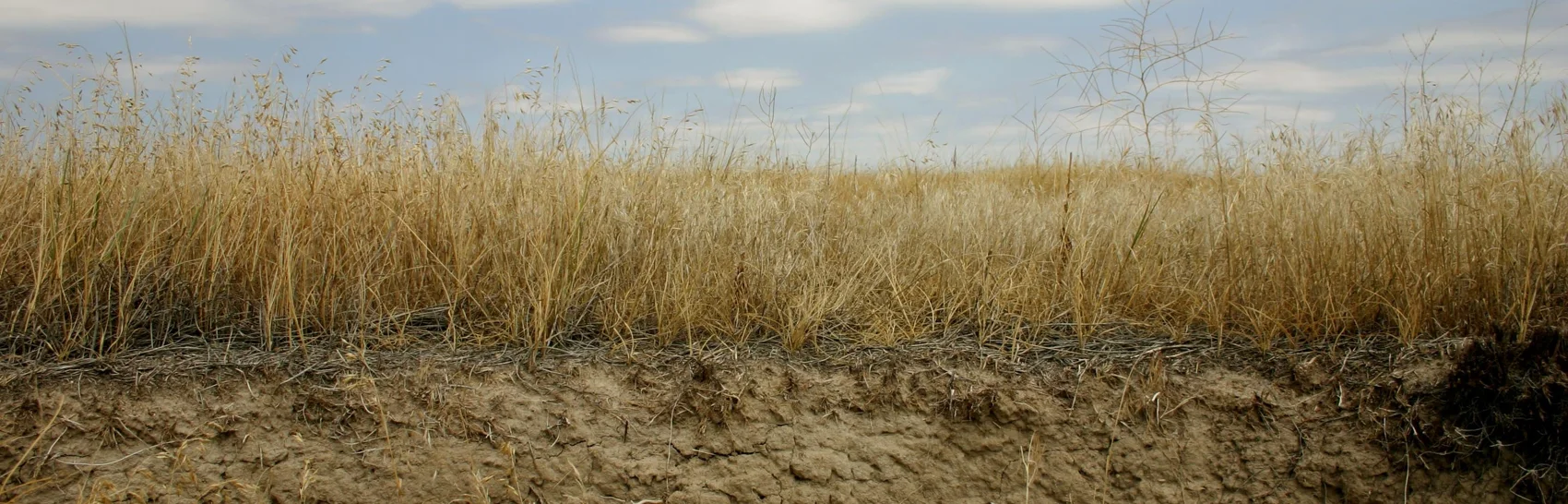
A landscape of differences
Mixed-grass prairie brings together grasses of different heights. It lies between wetter tallgrass country and drier shortgrass country. A wide view can hide that variation; a closer look reveals changes in texture and cover across the ground.
Look for the smaller scale
Prairie dogs, bison, pronghorn, birds, and other animals use this landscape in different ways. Burrows and grazing are part of its structure, not interruptions to a supposedly untouched scene. Think of the prairie as a set of relationships rather than a single backdrop.
Make observation deliberate
From an established public trail or viewpoint, choose a small patch to observe. Look for differences in height, bare ground, and vegetation. Write down what you can see before trying to explain it. That separation between observation and interpretation makes a field note more useful.
Keep the wider view
An attractive patch of grass does not tell you everything about an ecosystem’s condition. Weather, land use, and management shape the wider landscape. Read the local park’s interpretation and research summaries alongside your own impressions, and stay within permitted viewing areas.
Check current local park guidance before a visit. Observe from a distance and follow posted instructions.