How a grazer changes the ground.
The influence of bison reaches beyond what they eat.
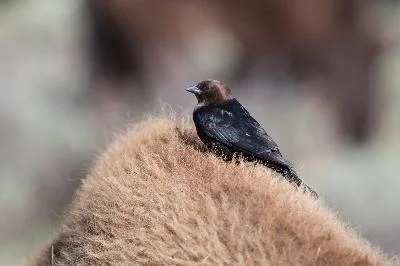
Effects at more than one scale
Grazing, nutrient redistribution, and disturbance can change plant communities and habitat structure. These effects vary with the ecosystem and the number and distribution of animals. “More grazing” is not a universal answer to a conservation question.
Pay attention to context
A research result from one grassland should not become a rule for every landscape. Managers consider vegetation, water, animal density, and other conditions together. Ask where a study took place and what it actually measured before using its conclusions.
What a visitor can contribute
A visitor can learn to describe patterns carefully without pretending to assess an ecosystem from one afternoon. Compare vegetation height from a public viewpoint and note the conditions. Treat the exercise as a way to ask questions, not as a substitute for monitoring.
Conservation is continuing work
Reading about management decisions can be as interesting as watching wildlife. Look for park research summaries and updates that explain the trade-offs. A living landscape changes, and understanding it takes repeated observation and collaboration.
Check current local park guidance before a visit. Observe from a distance and follow posted instructions.